RisingStar
- Home
- About Us
- Products
- News
- Video
- Contact
- Send Inquiry
Search
- Home
- About Us
- Products
- News
- Video
- Contact
- Send Inquiry
RisingStar
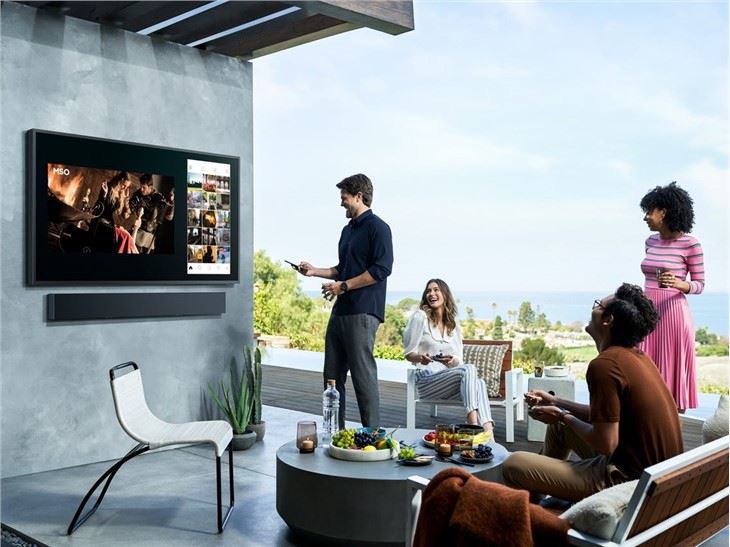
High-brightness sunlight-readable LCD displays are essential components in modern industrial, military, transportation, and outdoor entertainment systems where visibility under direct sunlight is critical. These displays must maintain clarity, color accuracy, and contrast even when exposed to ambient light levels exceeding 100,000 lux—a condition commonly encountered in open-air environments such as construction sites, vehicle dashboards, solar farms, and maritime navigation stations. With the increasing demand for higher resolution and improved visual fidelity, manufacturers now offer advanced models supporting both 2K (2560 x 1440) and 4K (3840 x 2160) resolutions while preserving sunlight readability.
The evolution of these displays stems from a combination of hardware innovations and software optimization. At the core, high-brightness backlighting using LED arrays capable of up to 5,000 nits—compared to standard indoor displays that typically range between 300–500 nits—is crucial for overpowering ambient light. This brightness is achieved through localized dimming techniques, adaptive luminance control, and specialized optical films like prism sheets and diffusers that enhance light efficiency without compromising screen uniformity. Furthermore, anti-reflective coatings (ARC), polarization layers, and etched glass surfaces reduce glare by over 90%, ensuring legibility even under intense solar exposure.
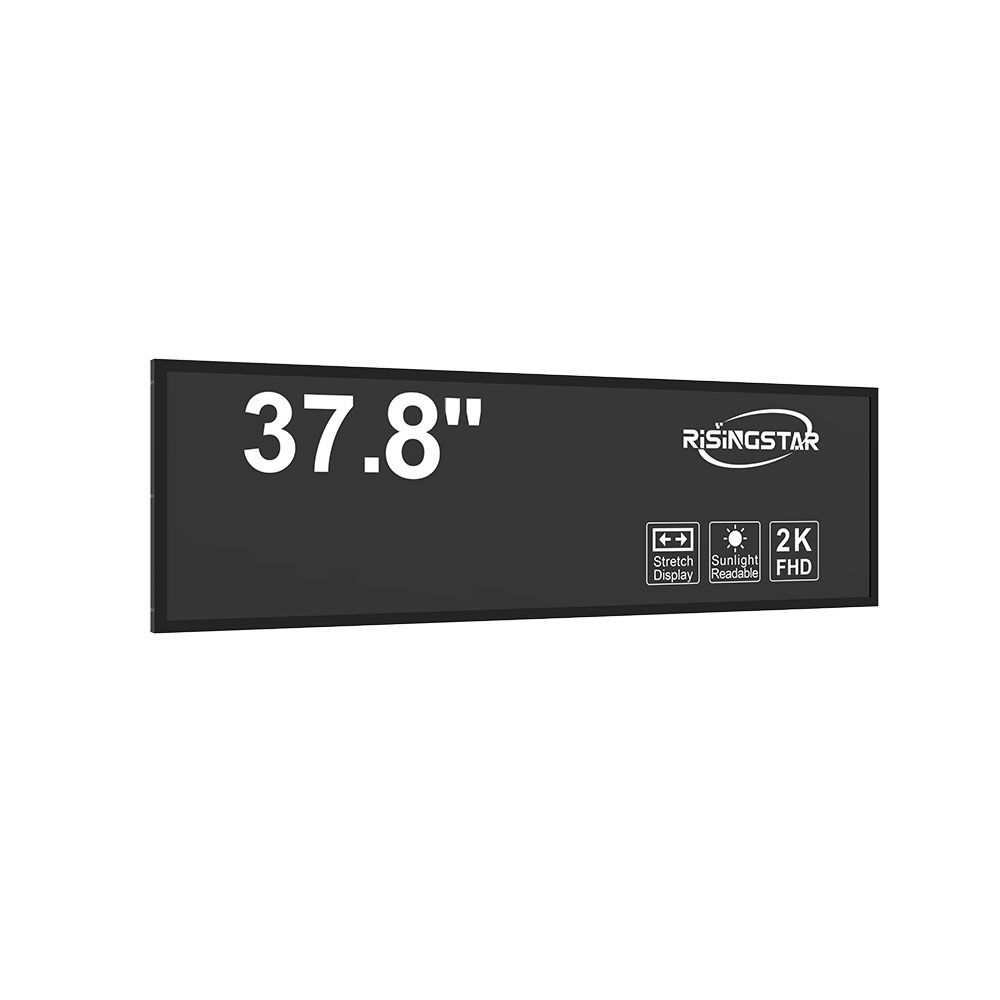
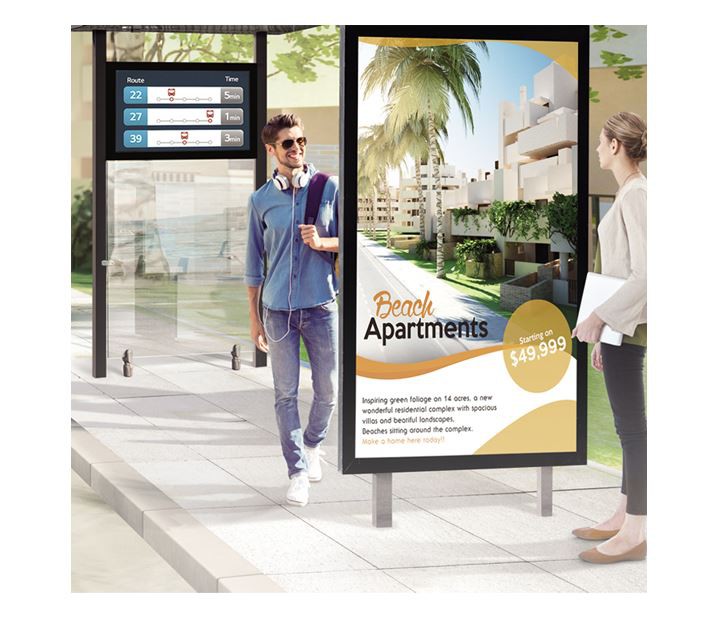
In addition to brightness and anti-glare features, 2K and 4K resolutions bring significant advantages. For instance, 2K resolution provides a sharp image suitable for most industrial HMIs (Human-Machine Interfaces), dashboard instruments, and control panels. It offers a pixel density of approximately 184 PPI (Pixels Per Inch) at a 15-inch screen size—sufficient for detailed schematics, maps, and real-time data visualization. Meanwhile, 4K resolution delivers an immersive experience with 3840x2160 pixels, offering four times the pixel count of Full HD (1080p). This makes it ideal for applications such as outdoor digital signage, UAV (Unmanned Aerial Vehicle) operator interfaces, and high-definition video monitoring systems used in surveillance, agriculture drones, and infrastructure inspection.
Manufacturers like LG Display, Sharp, and Innolux have integrated these capabilities into ruggedized LCD modules designed for harsh environmental conditions. These modules comply with MIL-STD-810G standards for shock, vibration, temperature extremes (-30°C to +70°C), and ingress protection (IP65 or higher). Moreover, they support wide viewing angles (up to 178°) and include built-in sensors for automatic brightness adjustment based on ambient lighting—ensuring optimal power consumption and user comfort.
Case studies validate performance claims. In a recent deployment at a solar farm in Arizona, a 4K sunlight-readable LCD panel was installed on maintenance vehicles to display real-time energy output and fault diagnostics. The display remained fully readable during peak sun hours (10 AM–3 PM), reducing operator errors by 30% compared to previous-generation units. Similarly, a European defense contractor integrated 2K panels into command-and-control vehicles for urban reconnaissance missions, achieving superior situational awareness despite variable weather and lighting conditions.
For designers and system integrators, choosing between 2K and 4K depends on application-specific needs. While 4K offers unmatched clarity and future-proofing for high-detail tasks, 2K remains cost-effective and efficient for many industrial uses. Both options are supported by modern interface protocols such as LVDS, MIPI DSI, and HDMI, allowing seamless integration into embedded systems, IoT gateways, and edge computing platforms.
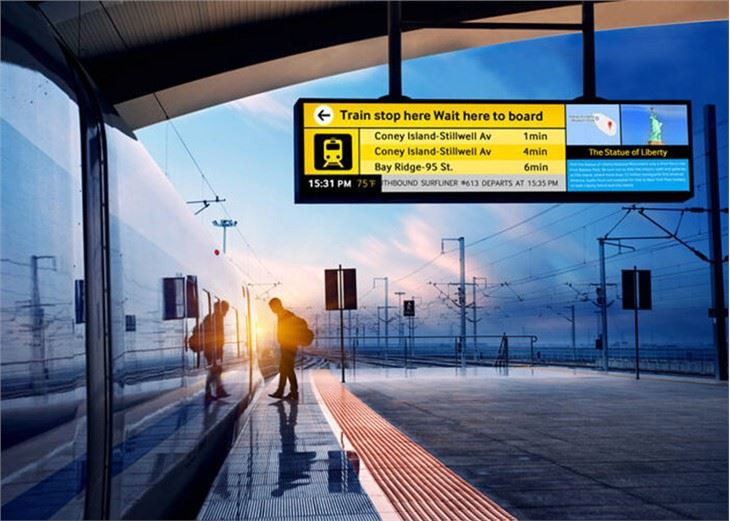
As global markets push for smarter, more connected devices—even in extreme environments—the role of high-brightness, high-resolution LCDs becomes increasingly pivotal. Whether deployed in mining operations, autonomous vehicles, or public transit kiosks, these displays represent the convergence of durability, performance, and visual excellence.