RisingStar
- Home
- About Us
- Products
- News
- Video
- Contact
- Send Inquiry
Search
- Home
- About Us
- Products
- News
- Video
- Contact
- Send Inquiry
RisingStar
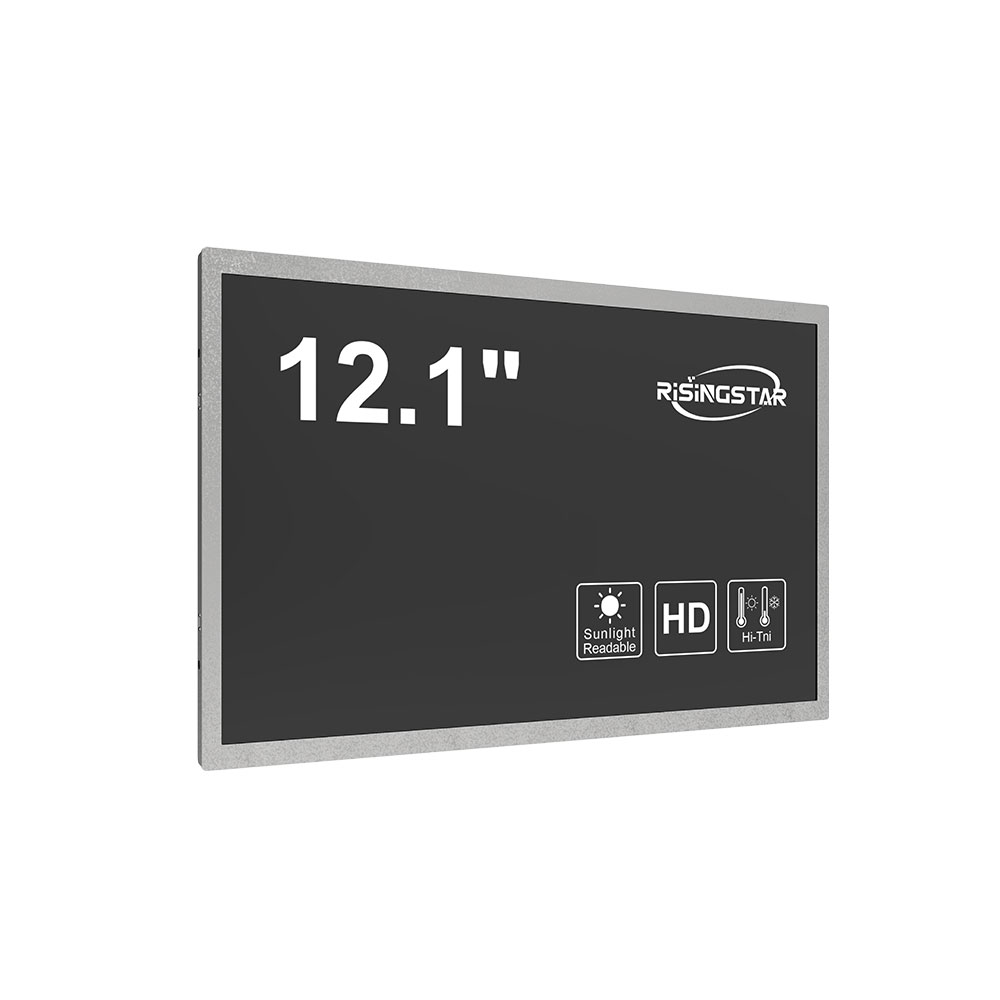
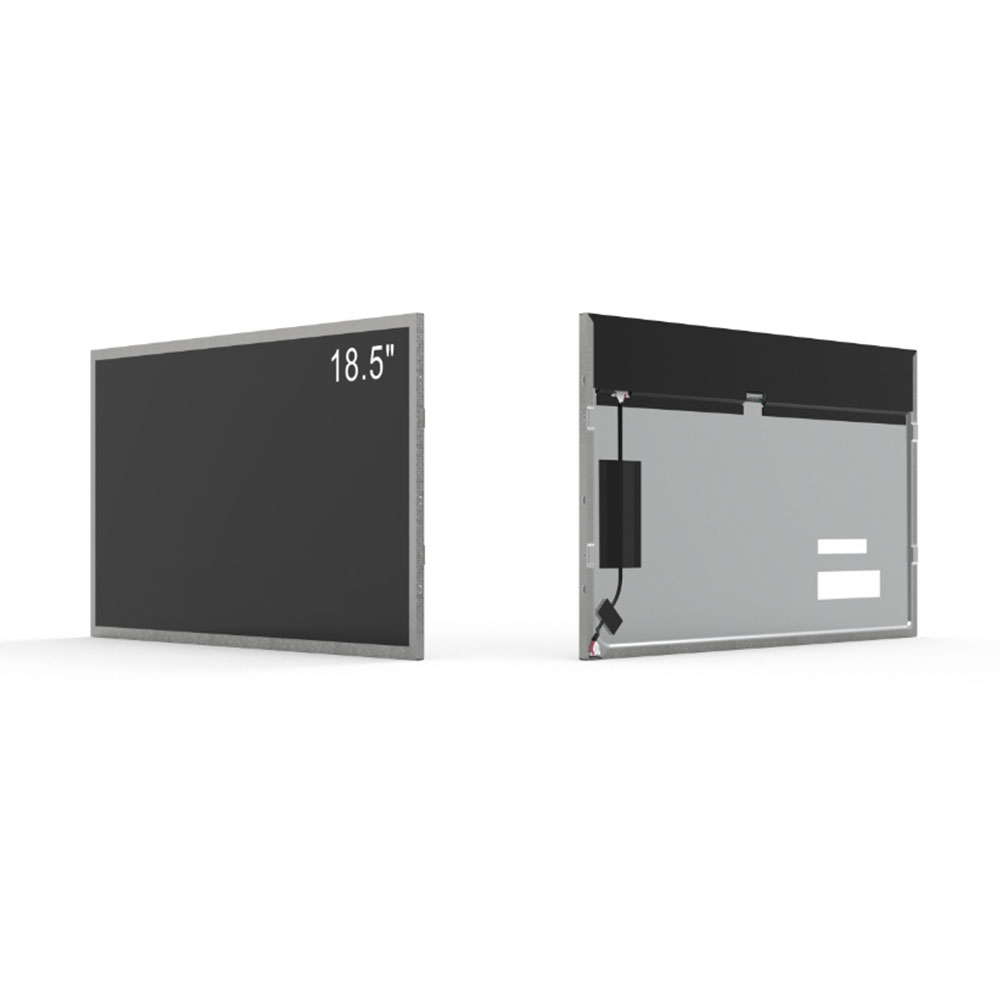
High-brightness sunlight-readable LCD screens are essential components in industrial equipment deployed in outdoor or high-ambient-light environments, such as construction machinery, agricultural vehicles, medical devices, military systems, and transportation control panels. These displays must maintain visibility under direct sunlight (up to 100,000 lux), resist glare, and operate reliably across wide temperature ranges—from -30°C to +70°C—while meeting stringent electromagnetic compatibility (EMC) and mechanical durability standards.
The core technology behind sunlight-readable LCDs lies in optimizing luminance, contrast ratio, and anti-reflection coatings. According to the Society for Information Display (SID), a screen must achieve at least 5,000 nits of brightness to remain readable in full sunlight, though many modern industrial applications demand 7,000–10,000 nits for optimal performance. This is accomplished through advanced LED backlighting, often using high-efficiency, low-power consumption LEDs combined with light guides and diffusers that distribute uniform illumination across the panel surface. Additionally, polarization-based anti-glare films and multi-layer anti-reflective coatings reduce ambient light reflection by up to 95%, ensuring clear readability even under harsh lighting conditions.
Case studies from leading manufacturers like Crystalfontz and Innolux demonstrate successful deployment in heavy-duty off-road vehicles where operators rely on real-time data from GPS navigation and machine diagnostics. In one project involving a European agricultural tractor manufacturer, the integration of a 10,000-nit sunlight-readable display reduced operator errors by 42% during daytime operations compared to standard LCDs. Similarly, a U.S.-based defense contractor implemented these displays in unmanned ground vehicles (UGVs), where reliability and clarity under battlefield lighting conditions were critical for mission success.
Manufacturers targeting overseas equipment makers must prioritize compliance with international standards such as IEC 60068 (environmental testing), MIL-STD-810G (military-grade ruggedness), and ISO 16750 (automotive electrical endurance). These certifications ensure robust performance against vibration, shock, humidity, dust ingress (IP65 or higher), and thermal cycling. Furthermore, power efficiency is increasingly important; newer designs use adaptive brightness control algorithms that dynamically adjust luminance based on ambient light sensors, reducing energy consumption without compromising visibility.
For distributors and OEMs looking to integrate these displays into their products, choosing suppliers with proven track records in industrial-grade manufacturing—including ISO 9001 certification and experience in embedded systems—is crucial. Collaborative design support, including custom bezel mounting options, touch overlay integration (resistive or capacitive), and firmware-level customization for specific protocols (e.g., CAN bus, RS-485), adds significant value.
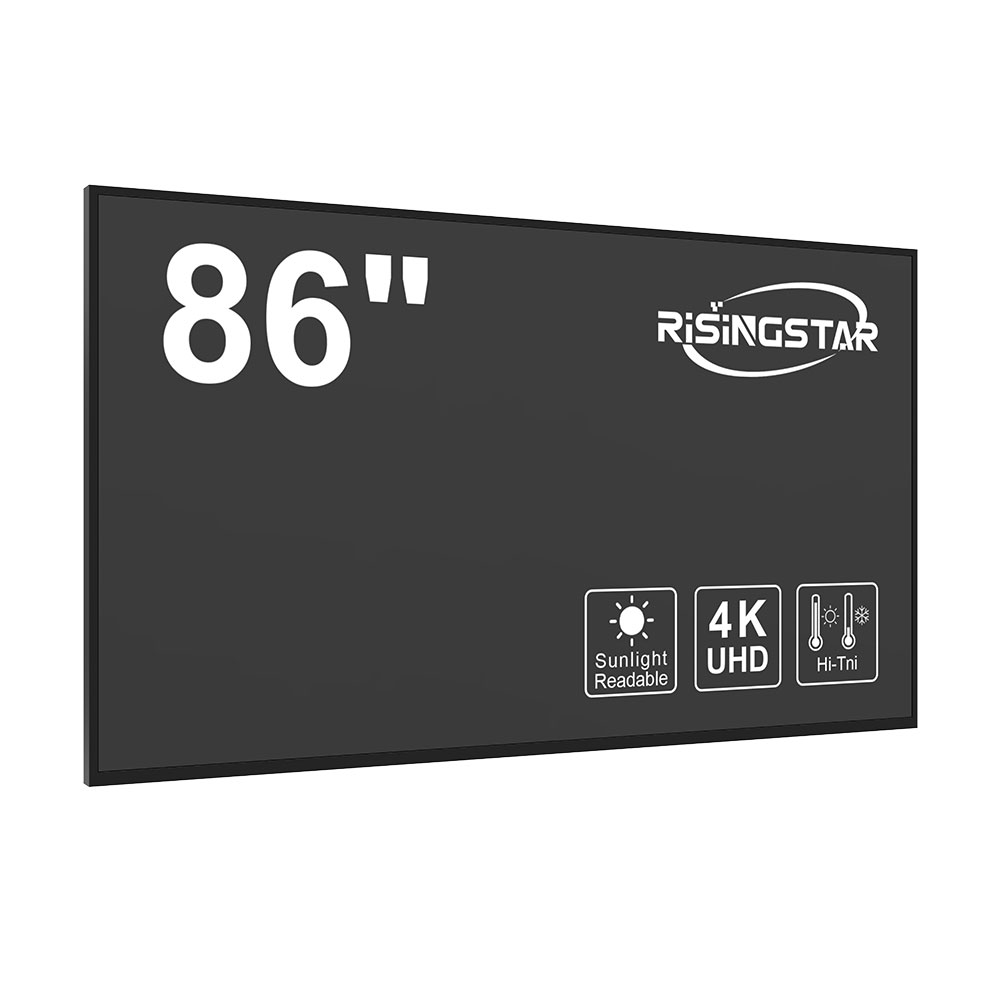
In summary, high-brightness sunlight-readable LCDs are not just about brighter screens—they represent a convergence of optical engineering, materials science, and systems integration tailored for demanding operational environments. As global industries expand into remote and extreme settings, these displays will continue to play a pivotal role in enhancing safety, productivity, and user experience across sectors.