 RisingStar
- Home
- About Us
- Products
- News
- Video
- Contact
- Send Inquiry
Search
- Home
- About Us
- Products
- News
- Video
- Contact
- Send Inquiry
RisingStar
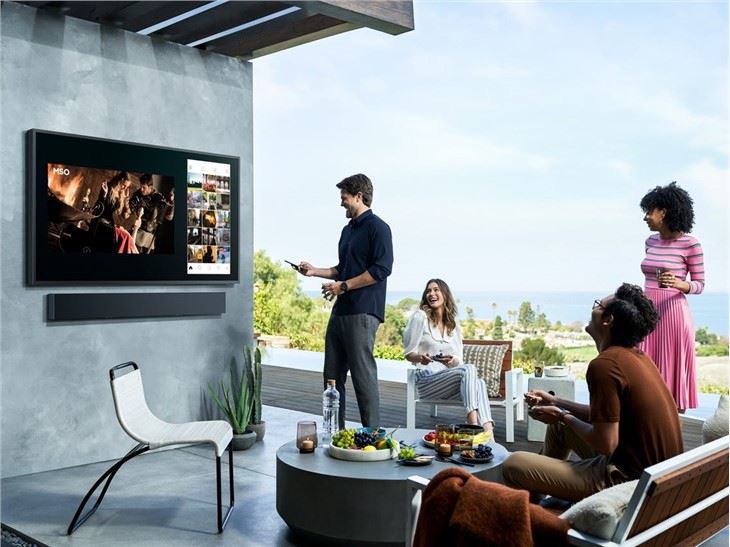
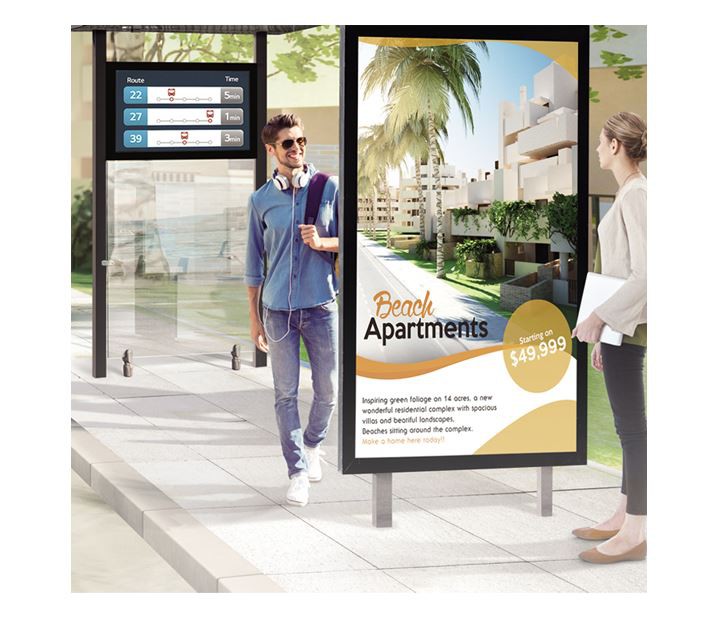
Outdoor digital wall signage has become an essential communication tool across industries such as retail, transportation, public safety, and smart city infrastructure. Unlike traditional static signs or indoor displays, these systems are engineered to deliver high-brightness, weather-resistant performance under direct sunlight—where visibility is often compromised by glare, reflection, or low contrast. According to a 2023 report by MarketsandMarkets, the global outdoor digital signage market is projected to grow at a CAGR of 11.4% from 2023 to 2028, driven largely by demand for real-time information delivery in harsh environmental conditions.
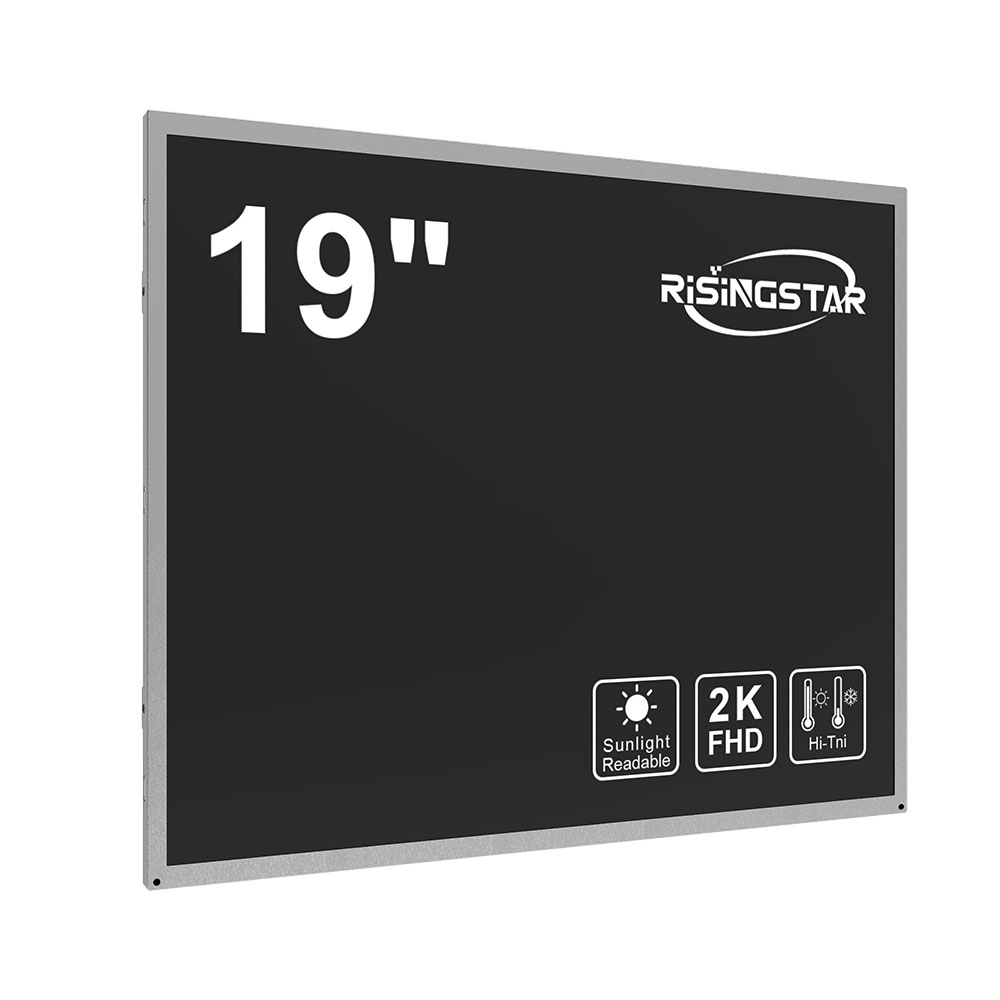
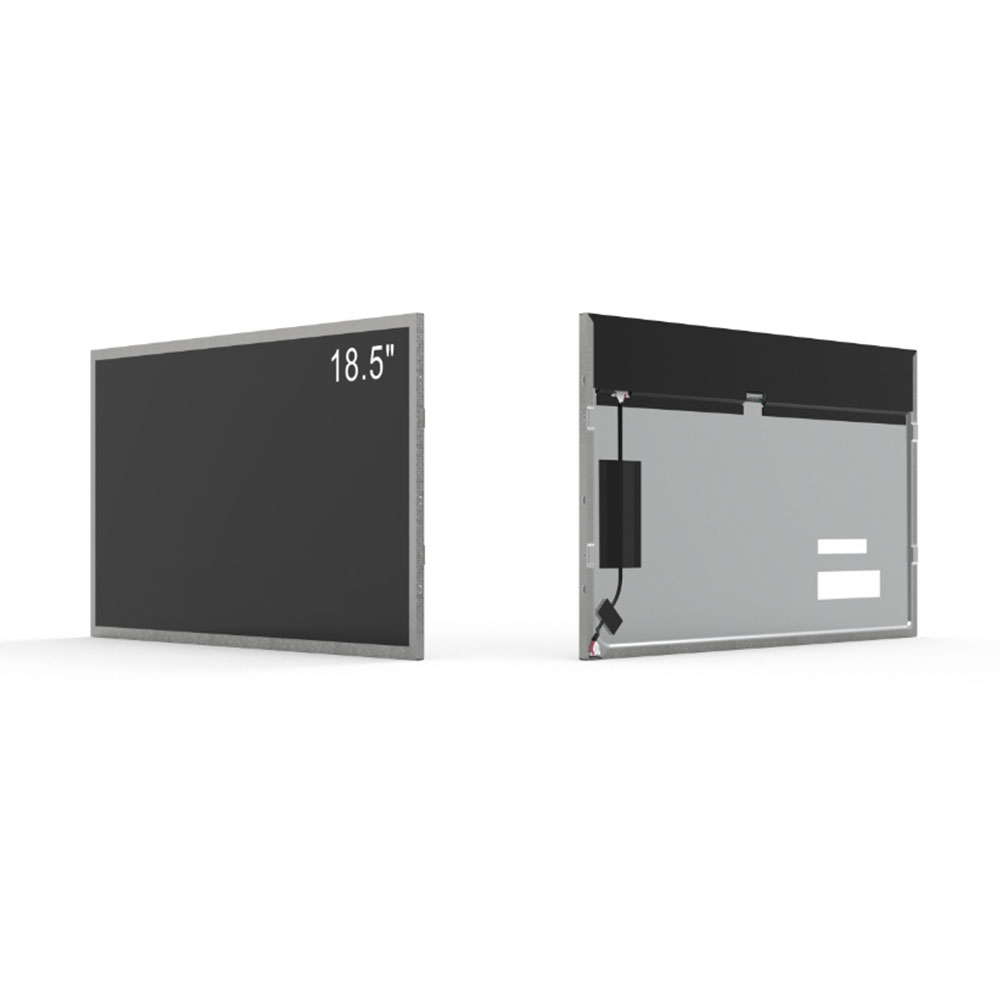
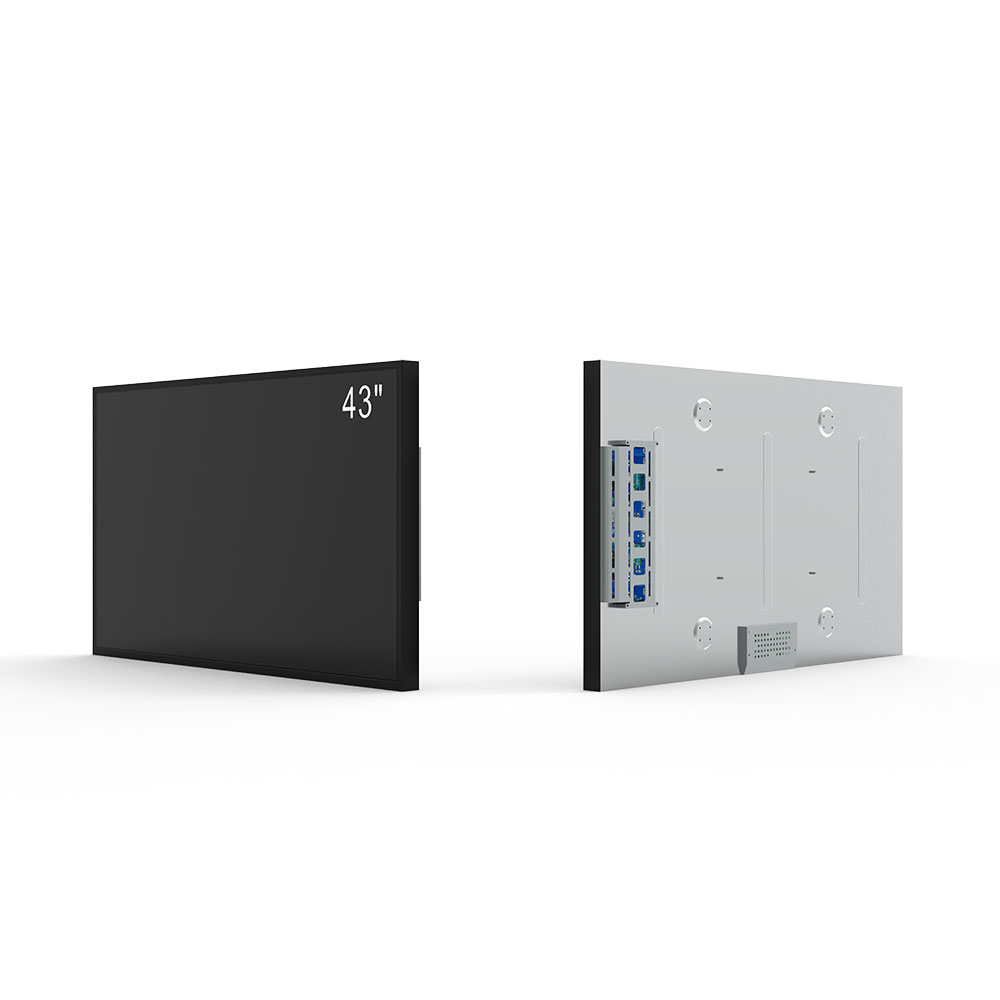
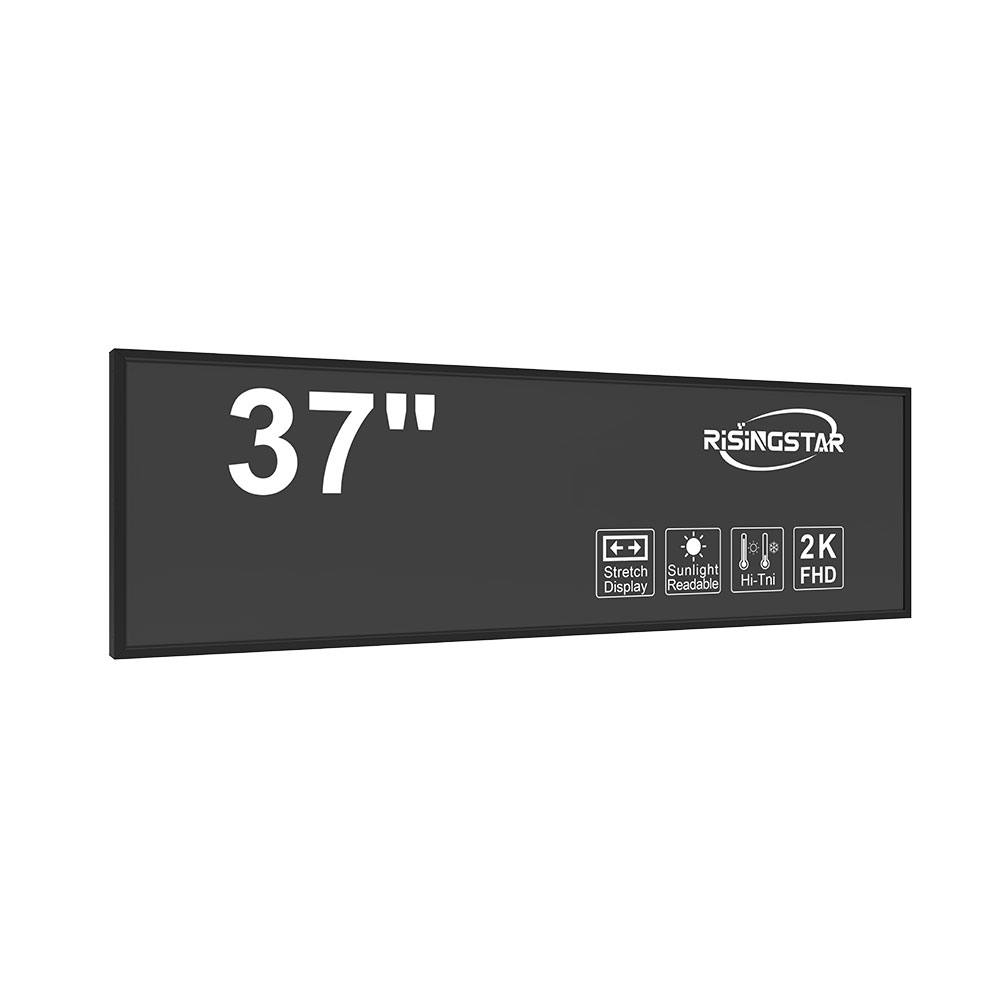
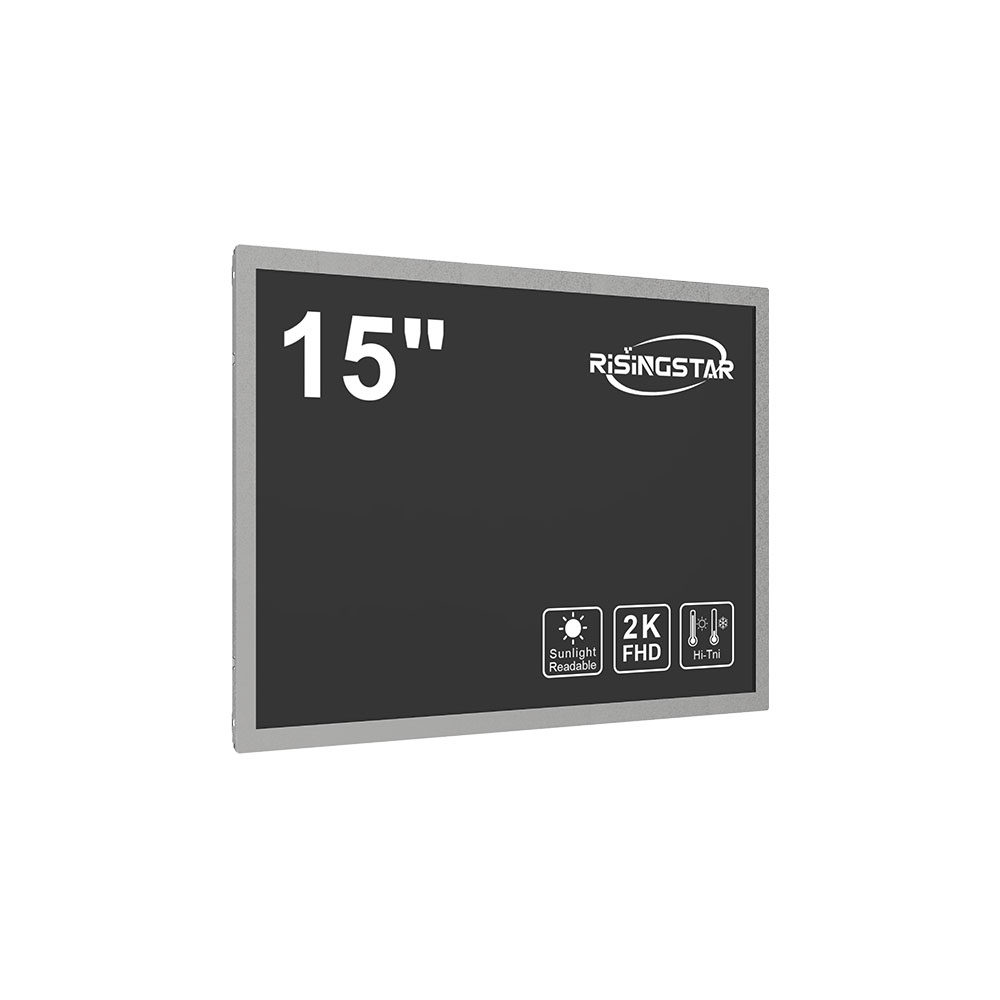
High-brightness sunlight-readable LCD screens used in outdoor digital wall signage typically achieve luminance levels of 5,000 to 10,000 nits—far exceeding the 200–500 nits common in standard indoor monitors. This extreme brightness ensures that content remains legible even during peak sun hours. Manufacturers like LG, Samsung, and NEC have developed specialized display technologies such as "Sunlight Readable" panels using anti-glare coatings, advanced backlighting (e.g., LED edge-lit with local dimming), and optimized contrast ratios. These features prevent image washout—a major issue in outdoor environments where ambient light can overpower display output.
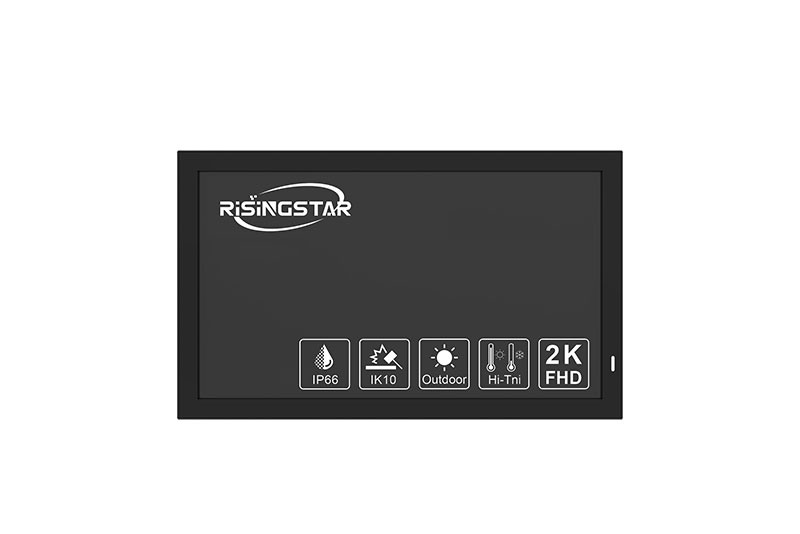
Another critical factor in outdoor digital wall signage success is environmental resilience. The IP65 or higher Ingress Protection rating ensures resistance against dust, rain, and UV radiation. Thermal management systems, including passive cooling and active fan control, help maintain optimal operating temperatures between -20°C and +60°C, preventing overheating in desert climates or freezing in arctic regions. For example, a case study from the City of Barcelona’s smart traffic signage rollout demonstrated a 98% uptime over two years using IP67-rated digital wall units in urban plazas exposed to intense Mediterranean sun and seasonal storms.
Content management platforms also play a pivotal role. Modern outdoor digital signage solutions integrate cloud-based software like ScreenCloud, Yodeck, or BrightSign, enabling remote scheduling, real-time updates, and multi-zone content distribution. This flexibility allows businesses to adapt messages dynamically—for instance, showing promotional banners during rush hour or emergency alerts during severe weather events. A 2022 study published in IEEE Transactions on Consumer Electronics highlighted that dynamic content in high-brightness signage increases engagement by up to 40% compared to static displays.
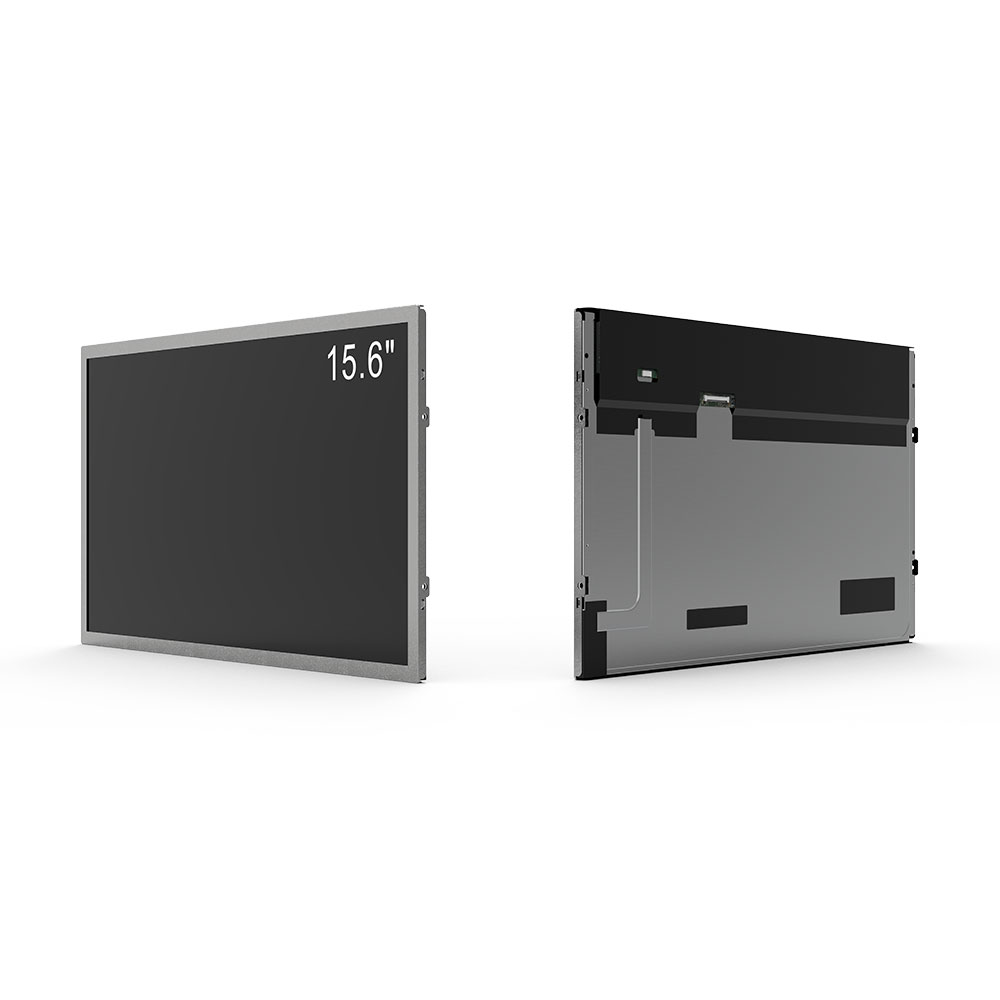
Additionally, energy efficiency is increasingly prioritized. Many outdoor digital wall signage systems now use OLED or Mini-LED technology combined with adaptive brightness sensors that reduce power consumption by up to 40% when ambient light decreases after sunset. This not only cuts operational costs but also aligns with global sustainability goals like the EU Green Deal and U.S. ENERGY STAR certification programs.
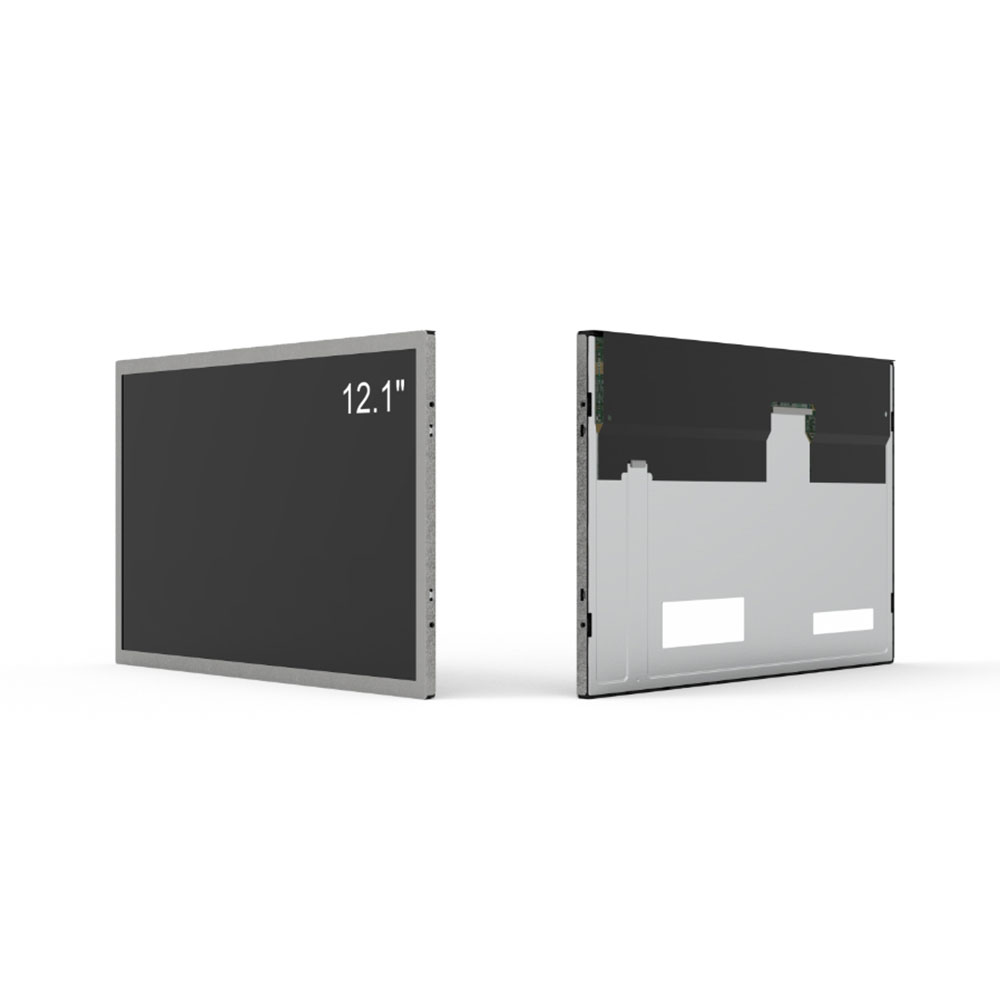
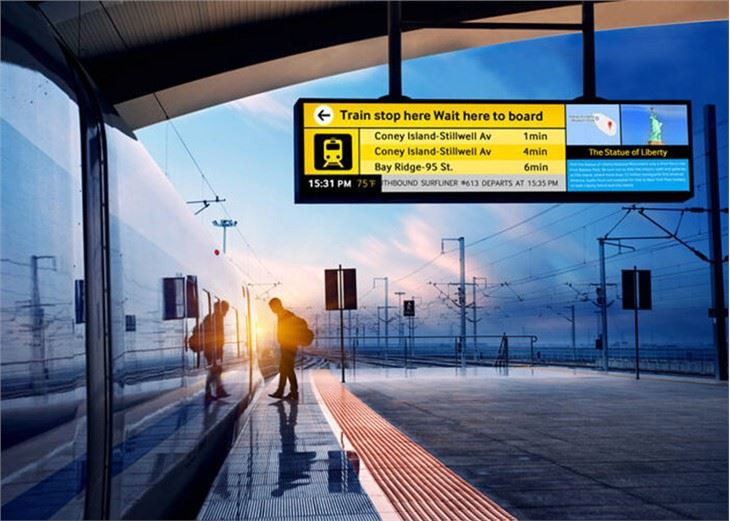
In conclusion, outdoor digital wall signage represents a convergence of hardware innovation, environmental adaptation, and intelligent software design. As cities and enterprises seek more effective ways to communicate in open-air settings—from airport departure boards to roadside advertising—the evolution of sunlight-readable LCDs will continue to drive safer, smarter, and more engaging public spaces worldwide.