RisingStar
- Home
- About Us
- Products
- News
- Video
- Contact
- Send Inquiry
Search
- Home
- About Us
- Products
- News
- Video
- Contact
- Send Inquiry
RisingStar
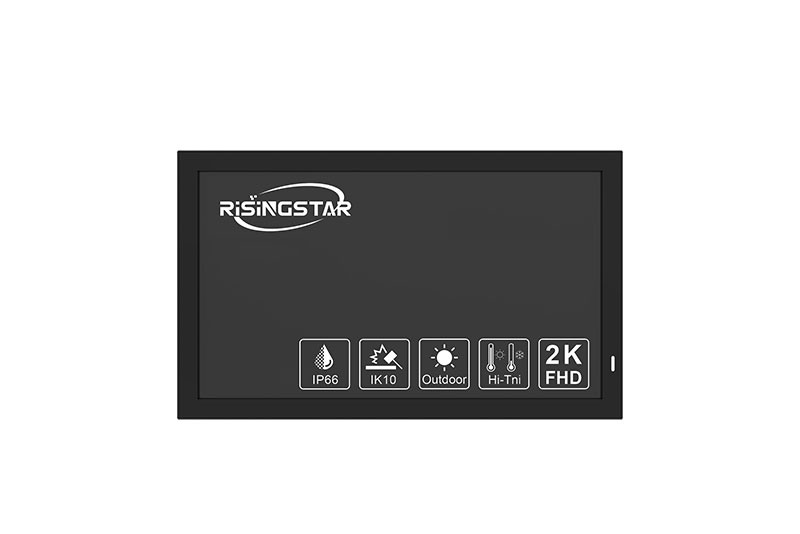
In today’s industrial, military, transportation, and outdoor consumer electronics markets, high-brightness sunlight-readable LCD screens must not only deliver exceptional visibility under direct sunlight (often exceeding 5,000 nits), but also maintain reliability in harsh environmental conditions. One of the most critical design requirements is achieving an IP66 waterproof rating—a standard defined by the International Electrotechnical Commission (IEC) that ensures protection against dust ingress (6) and powerful water jets from any direction (6). This level of sealing is essential for applications such as vehicle dashboards, construction equipment displays, marine navigation systems, and solar-powered kiosks exposed to rain, spray, or even temporary submersion.
Achieving IP66 compliance involves a multi-layered engineering approach that begins at the display module level and extends through the entire system integration. At the core, manufacturers use advanced laminated glass or polycarbonate covers with anti-reflective coatings optimized for sunlight readability while maintaining structural integrity. These front panels are sealed using industrial-grade silicone gaskets or O-rings, often rated for -40°C to +85°C operating temperatures. The sealing process must be verified via pressure testing (e.g., IEC 60529 method 13) and water jet tests per ASTM D1207 standards.
Beyond the enclosure, internal components such as PCBs, connectors, and backlight modules require conformal coating or potting compounds to prevent moisture-induced corrosion or short circuits. For example, in a recent case study by Cineplex Displays (a leading manufacturer in the UK), their IP66-rated 15-inch LCD used in maritime applications underwent rigorous salt fog testing (ISO 9227) followed by thermal cycling (from -30°C to +70°C) to ensure long-term durability. The result was a screen that maintained full functionality after 500 hours of exposure to saltwater mist—proof that IP66 isn’t just a label but a performance guarantee.
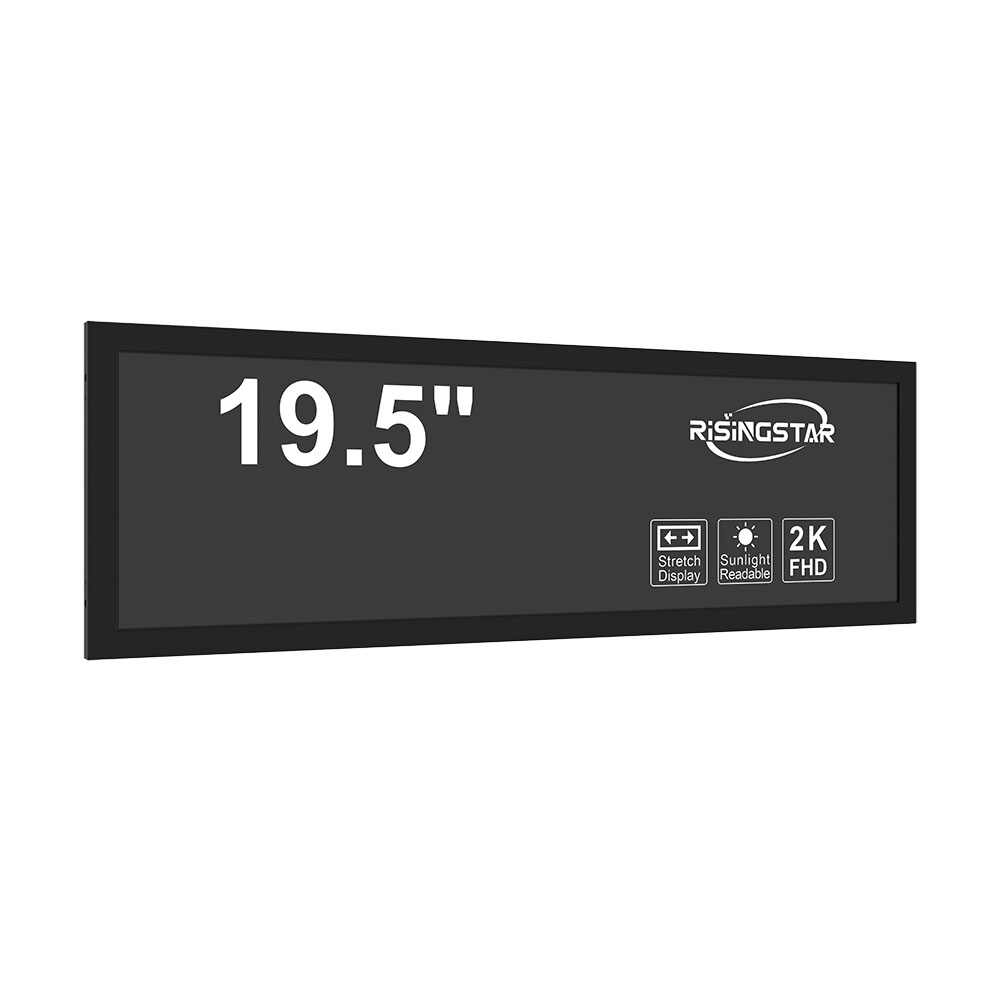
Importantly, IP66 does not imply full submersion protection; it specifically targets resistance to water jets from fire hoses or heavy rainfall. This distinction matters in application design—for instance, a 10-inch ruggedized touchscreen for agricultural machinery might need IP66 but not IP68, saving cost and weight. However, when designing for extreme environments like offshore oil rigs or Arctic research stations, combining IP66 with additional features such as wide temperature operation, shock resistance, and EMI shielding becomes crucial.
Manufacturers must also comply with global certifications such as CE, FCC, and RoHS, which further validate safety and environmental compatibility. In summary, IP66 waterproofing in high-brightness sunlight-readable LCDs is not merely about meeting a specification—it is about integrating robust mechanical, electrical, and material engineering across the entire product lifecycle. As demand grows for durable, reliable, and readable displays in outdoor and industrial contexts, IP66 remains a benchmark for quality, performance, and trustworthiness in modern display technology.