RisingStar
- Home
- About Us
- Products
- News
- Video
- Contact
- Send Inquiry
Search
- Home
- About Us
- Products
- News
- Video
- Contact
- Send Inquiry
RisingStar
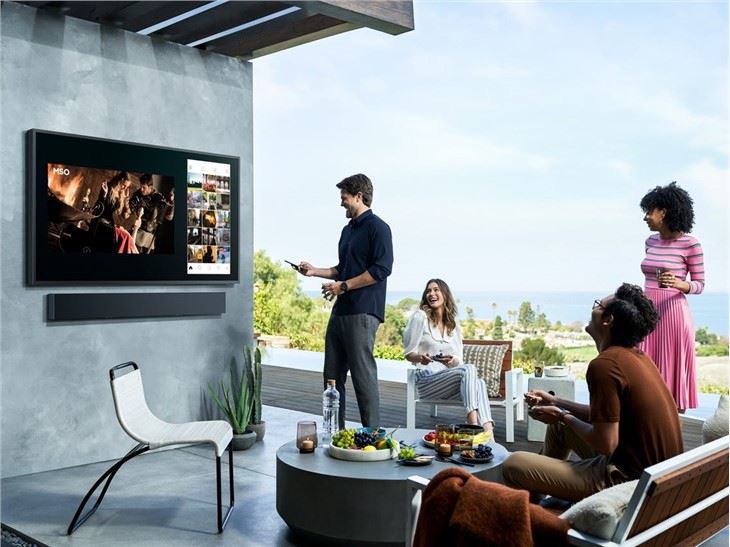
High-brightness sunlight-readable LCD displays are essential components in modern outdoor electronic systems, where visibility under direct sunlight is critical for operational efficiency and user safety. These displays are engineered to maintain readability even under intense solar radiation, typically exceeding 100,000 lux—a level far beyond the standard indoor lighting of 300–500 lux. The design incorporates advanced technologies such as high-luminance LEDs, anti-glare coatings, polarization filters, and optimized contrast ratios to ensure clarity in harsh environmental conditions.
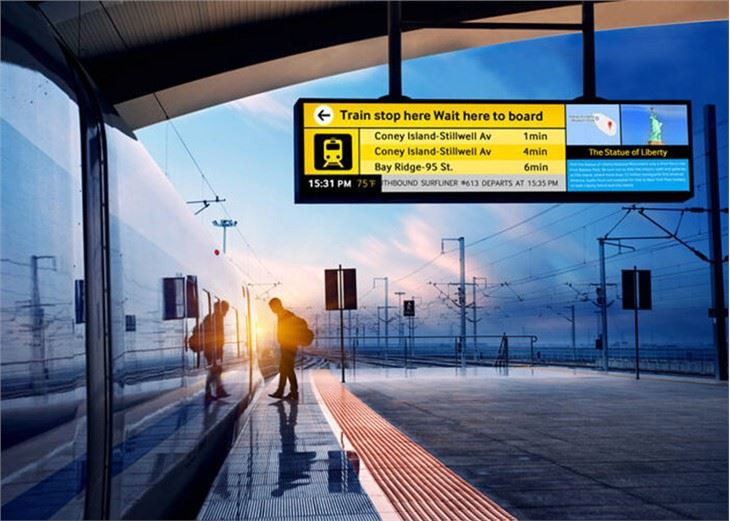
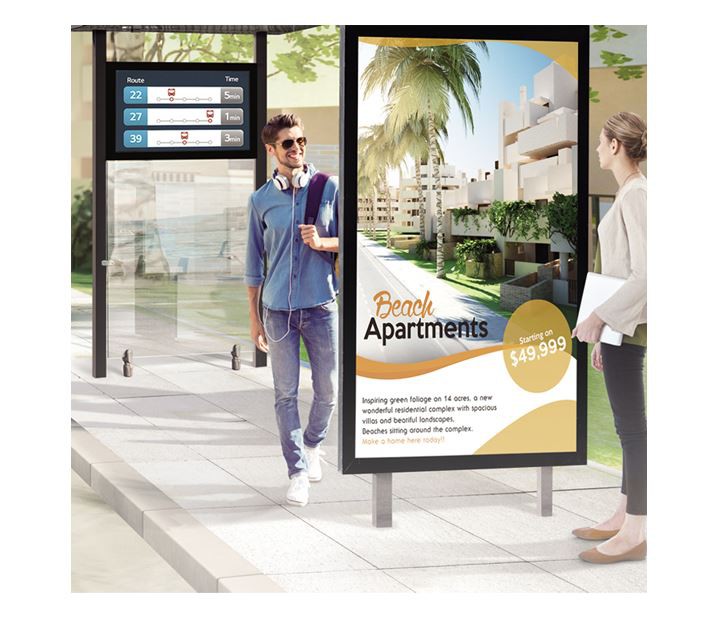
One of the key technical differentiators is luminance output. While conventional LCDs may offer 250–400 cd/m², high-brightness displays can achieve 1,500 to 5,000 cd/m² or more—enabling clear visibility under direct sunlight without compromising power consumption. For example, military-grade displays used in battlefield command centers often exceed 5,000 cd/m², meeting MIL-STD-810G requirements for extreme environments. In commercial applications such as digital signage in airports or kiosks in public squares, brightness levels of 2,000–3,000 cd/m² are commonly adopted to ensure content remains legible in full sun.
Manufacturers leverage several strategies to enhance sunlight readability. First, optical bonding—a process that eliminates air gaps between the display and cover lens—reduces internal reflections and increases contrast by up to 40%. Second, active matrix addressing (such as TFT-LCD) ensures fast response times (typically< 30 ms), reducing motion blur in dynamic content. Third, adaptive brightness control via ambient light sensors dynamically adjusts backlight intensity based on real-time lighting conditions, optimizing energy use while maintaining optimal visibility.
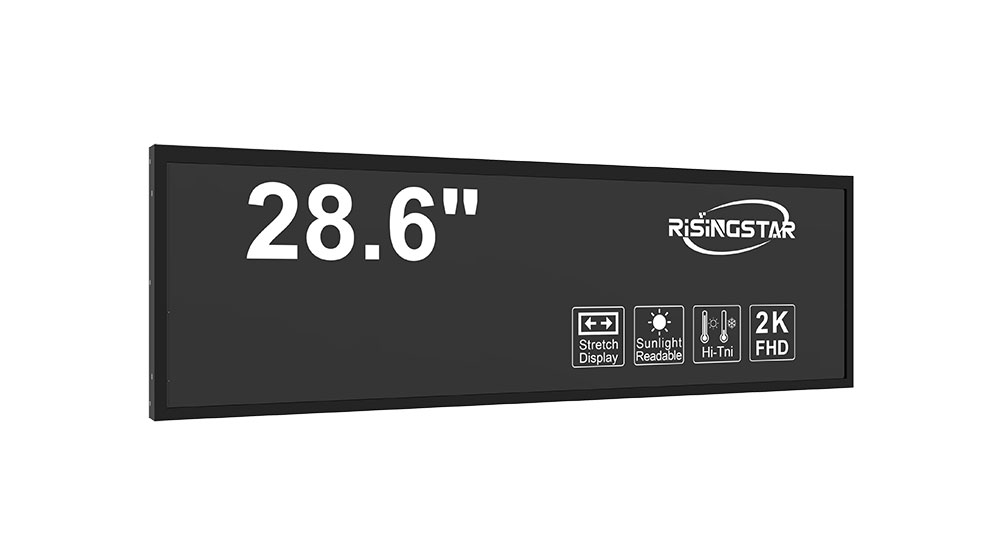
Case studies from industries like transportation and agriculture highlight the impact of these technologies. A 2022 field test conducted by Siemens Mobility demonstrated a 67% reduction in driver misreadings when replacing standard LCDs with 3,000 cd/m² sunlight-readable displays on train control panels. Similarly, John Deere’s agricultural equipment now integrates 2,500 cd/m² displays in tractors, improving operator visibility during daytime field operations and reducing errors in GPS navigation.
From a standards perspective, the International Electrotechnical Commission (IEC) defines “sunlight readability” in IEC 60950-1 and IEC 62368-1, which include criteria for luminance, contrast ratio, and viewing angle performance under simulated daylight conditions. Compliance with these standards ensures not only regulatory acceptance but also long-term reliability across diverse climates—from desert heat (up to 60°C ambient) to Arctic cold (-40°C).
In conclusion, high-brightness sunlight-readable LCDs are no longer niche products—they are foundational to smart infrastructure, mobile computing, and industrial automation. As global demand for outdoor-connected devices grows (projected to reach $18 billion by 2027 per Statista), manufacturers must prioritize innovations in brightness, durability, and power efficiency to meet evolving market needs. OEMs seeking robust display solutions should evaluate both peak luminance and real-world performance metrics—not just raw numbers—to ensure successful deployment in demanding environments.